
Practical Tips for Keeping Kids’ Art Organized and Clutter-Free
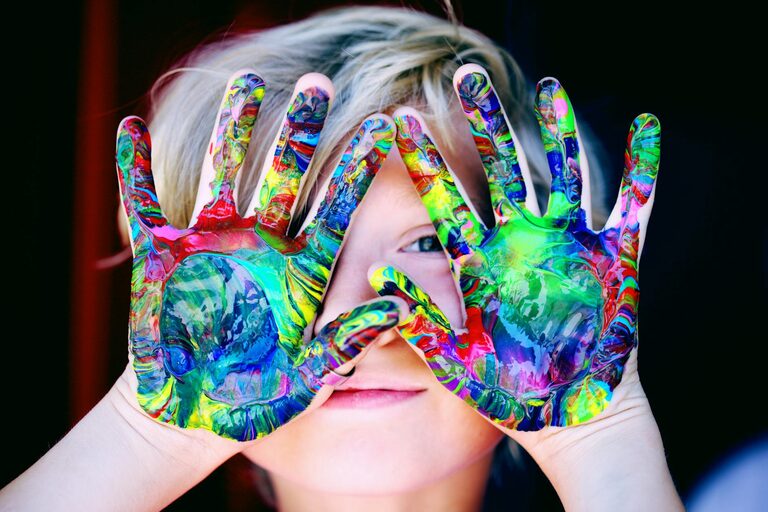
Keeping kids’ artwork organized can quickly become a challenge for many parents and caregivers. From finger paintings and drawings to 3D crafts, children produce an impressive amount of creative work that deserves to be saved and celebrated. However, without a plan, art projects can pile up, creating clutter and stress. The good news is that with some thoughtful strategies, you can keep your child’s masterpieces beautifully organized, easy to access, and cherished for years to come.
Why Organize Kids’ Artwork?
Before diving into tips, it’s helpful to consider why organizing kids’ art matters:
– Preserves memories: Artwork captures moments and milestones in your child’s development.
– Reduces clutter: Prevents piles of papers and crafts from taking over your home.
– Encourages creativity: Showing kids their art is valued inspires continued creative efforts.
– Easy sharing: Organized art is easy to share with family and friends.
With that in mind, here are some practical ways to tackle the task.
Set Up a Dedicated Art Space
Designate a specific area in your home where your child can create and store their art materials and finished pieces. This might be a corner in the playroom, a section of a shelf, or a small filing cabinet.
What you need for an art space:
– Storage bins for supplies like crayons, markers, glue, and paper
– Display boards or a wire with clips for showcasing current favorites
– A flat surface for creating art
Having everything in one spot helps limit mess and keeps artwork in one area rather than scattered around the house.
Rotate and Display Art Regularly
Displaying children’s artwork boosts their confidence and adds a personal touch to your home decor. However, it’s important to rotate the pieces to avoid clutter.
Ideas for display:
– Framed gallery wall: Use inexpensive frames to showcase select pieces and swap them out monthly or seasonally.
– Clipboards on a wall: Hang a row of clipboards and switch artworks easily.
– String and clips: Stretch a string and hang art with clothespins for a casual display.
– Digital photo frame: Photograph artwork and display a slideshow.
By regularly updating displays, you create a dynamic art gallery that celebrates your child’s efforts without overwhelming your space.
Create an Art Storage System
For artwork you want to keep but don’t need currently on display, having a system to store these pieces is key.
Storage methods:
– Portfolios: Use large artist portfolios or make your own with poster boards and clips for flat paintings and drawings.
– Binders: Store artwork in sheet protectors inside ring binders sorted by date or theme.
– Filing boxes: Assign a file box for each child and sort art into folders.
– Digital archive: Scan or take photos of artworks and save them in organized folders on your computer or cloud storage.
This way, you preserve memories without sacrificing space.
Turn Art into Useful Items
One fun way to keep kids’ artwork meaningful and manageable is to transform it into everyday items.
Creative transformations:
– Photo books: Compile scanned artwork into printed photo books.
– Calendars or greeting cards: Use drawings for personalized stationery.
– Wrapping paper: Larger paintings can become unique gift wrap.
– Magnets or coasters: Print artwork onto magnets or coasters through online services.
These ideas give new life to art and reduce the amount of paper stored.
Involve Your Child in the Process
Engage your child in deciding what to keep and how to display or store their work. This teaches them organization skills and helps them value their creations.
Ways to involve kids:
– Let them select their favorite pieces for display each week.
– Create a scrapbook together with their artworks.
– Encourage them to name and date their creations.
This involvement makes organizing a shared and enjoyable activity.
Set Limits and Have a Routine
To avoid becoming overwhelmed, establish clear limits on how much art you keep. For example, keep a set number of pieces per month or season. Set a routine—such as reviewing new artwork every weekend—to sort, display, archive, or recycle.
Consistency in handling new artwork helps control clutter and creates a manageable system.
Use Storage Products Designed for Kids’ Art
Many products are designed specifically to handle children’s artwork.
Examples include:
– Art portfolios sized for children’s papers
– Stackable trays labeled by year or child
– Accordion folders for multiple projects
– Digital art apps for archiving and sharing
Investing in these tools can make organization easier and more fun.
Tips for Organizing 3D Artwork and Crafts
Flat artwork is easier to store, but many kids love making three-dimensional projects.
Ways to organize 3D art:
– Photograph the project, then recycle or gift it if space is limited.
– Use clear plastic bins with labels for fragile or bulky items.
– Display select pieces on shelves, rotating them regularly.
Deciding which 3D pieces to keep is important since they take more space.
Final Thoughts
Organizing kids’ art doesn’t have to be daunting. With a designated space, routines, storage solutions, and your child’s involvement, you can preserve their creativity while keeping your home clutter-free. Remember, the goal is to celebrate your child’s artistic journey and create memories that last—without drowning in piles of paper. Give these tips a try and enjoy a tidier, more creative home!
—
If you found these tips helpful, share your own ideas or favorite organization hacks in the comments below!